Cedar vs Pine Fence: The Ultimate Guide for Buda, TX Homeowners (2026)
Choosing the right material for your backyard isn’t just about aesthetics; in Central Texas, it’s a battle against the elements. If you are a homeowner in Buda, the decision between a cedar vs pine fence often comes down to balancing your immediate budget with long-term durability. With our local climate shifting between intense humidity and scorching summer droughts, your choice of wood determines whether your investment stands tall for twenty years or begins to sag after five.
At Built Texas Tough, we see firsthand how the “Buda blow” and the relentless Texas sun affect different lumber species. Both Western Red Cedar and Pressure-Treated Pine have their place in our neighborhoods, but understanding the nuances of each is key to ensuring your property remains secure and beautiful.
The Core Debate: Cedar vs Pine Fence Durability
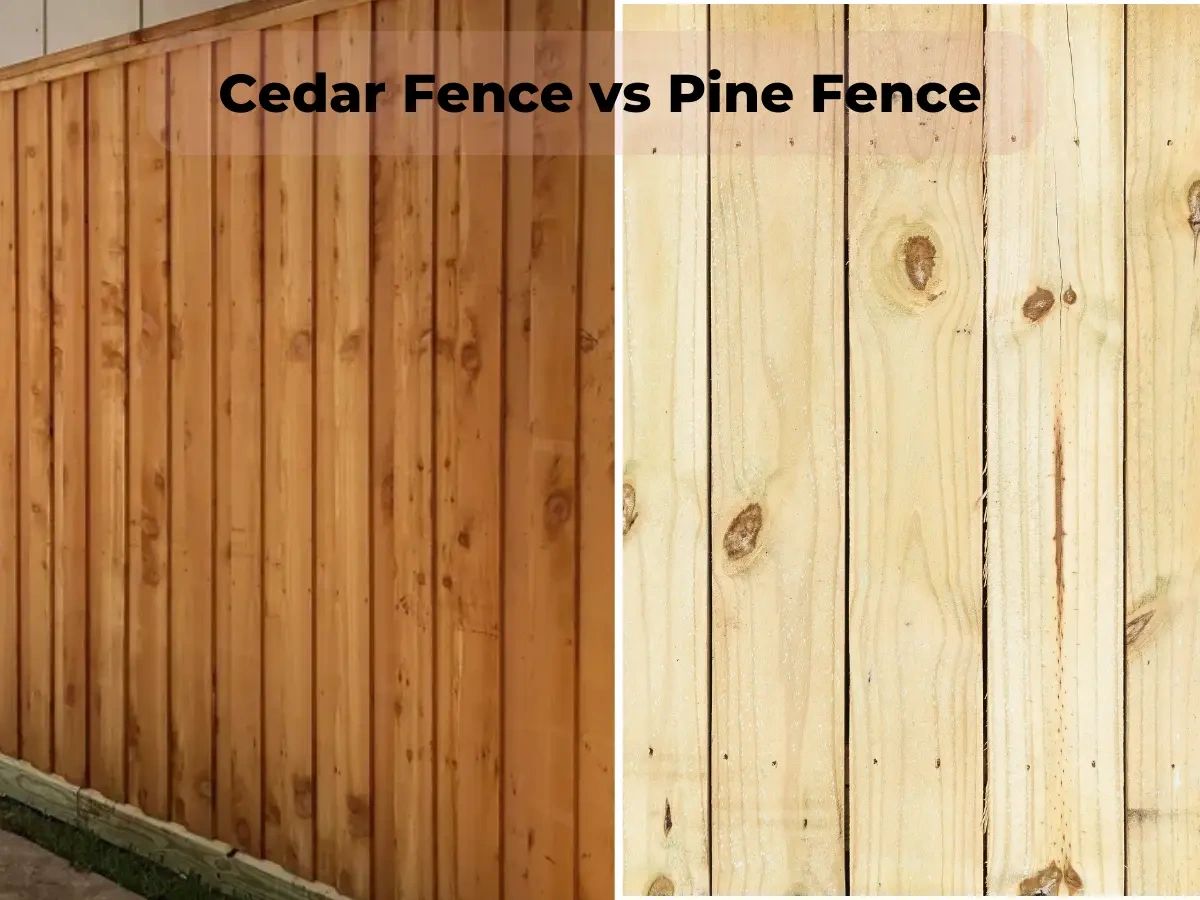
When comparing a cedar vs pine fence, the most significant difference lies in how the wood handles moisture and pests. Cedar is a “resilient” wood, meaning it possesses natural oils—specifically thujaplicins—that act as a built-in preservative. These oils repel termites and prevent rot without the need for heavy chemical intervention.
Pine, conversely, is a softwood that requires “pressure treatment” to survive outdoors. During this process, chemical preservatives are forced deep into the wood fibers to protect it from the soil and insects. While this makes pine incredibly sturdy for structural components, the wood itself remains more “active” than cedar.
Dimensional Stability in the Texas Heat
Buda homeowners know that 100-degree days are the norm, not the exception. This is where the cedar vs pine fence comparison gets interesting:
- Cedar: It is dimensionally stable, meaning it is less likely to warp, bow, or twist when the temperature spikes.
- Pine: Because it is saturated with liquid during the pressure-treatment process, pine tends to “shrink” as it dries out in the sun. This can lead to pickets curling or gaps opening up between boards.
Cost Comparison: Upfront Savings vs. Long-Term Value
It is no secret that a cedar vs pine fence comes with two very different price tags. If you are fencing a large acreage property near Garlic Creek or Sunfield, the cost difference can be substantial.
| Feature | Western Red Cedar | Pressure-Treated Pine |
| Upfront Cost | Higher (Premium) | Lower (Budget-Friendly) |
| Expected Lifespan | 20–30 Years | 10–15 Years |
| Maintenance | Low to Moderate | High |
| Natural Color | Rich Red/Amber | Pale Yellow/Greenish |
While pine is the more affordable choice today, cedar often wins the “cost-per-year” battle. A cedar fence that lasts 25 years requires fewer repairs and replacements than a pine fence that may need a complete overhaul in a decade. However, for many Buda families, the lower entry price of pine allows them to secure their yard and protect their pets immediately without breaking the bank.
Aesthetic Differences: Choosing Your Backyard Look
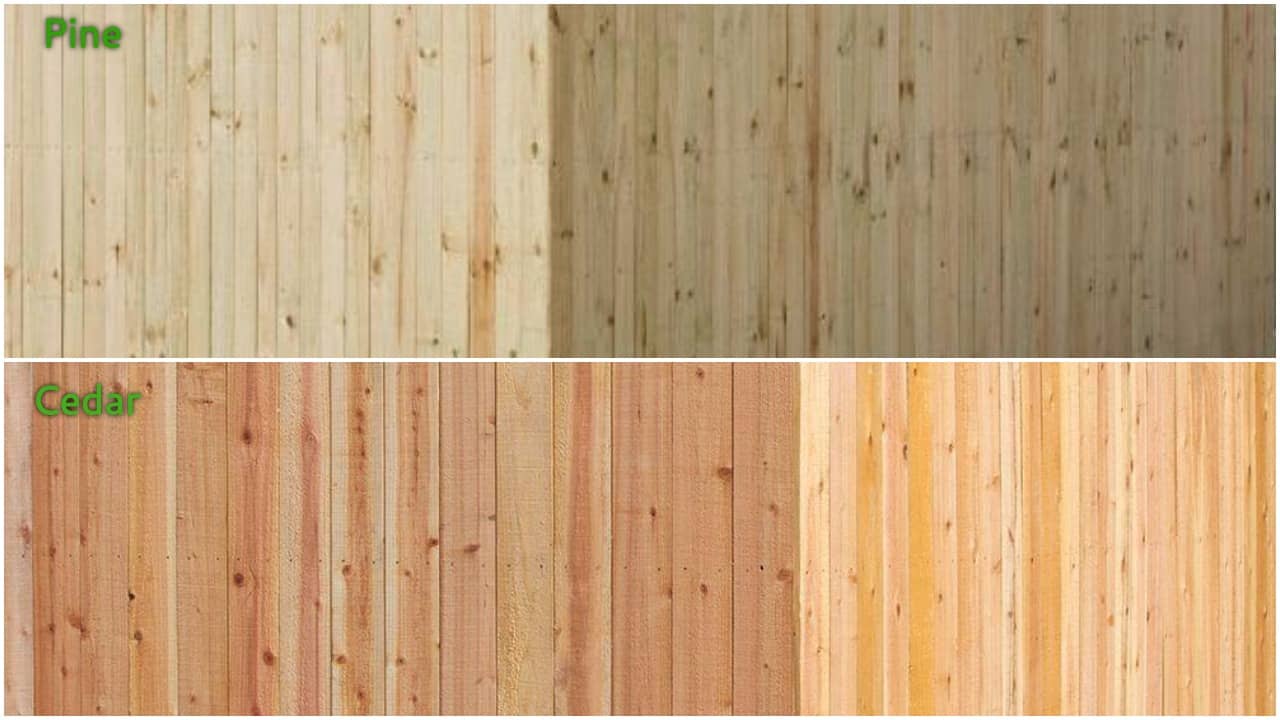
Your fence is the backdrop to your outdoor life. When looking at a cedar vs pine fence, the visual impact is immediate. Cedar is prized for its fine grain and warm, reddish-brown hues. Over time, if left untreated, it weathers to a sophisticated silver-gray that many Central Texans find charming.
Pine typically enters the world with a slight greenish tint due to the copper-based preservatives used in the pressure-treating process. While this tint fades to a golden tan over time, pine lacks the consistent grain pattern found in cedar. If you plan on painting your fence a solid color, like a modern charcoal or white, pine is an excellent, cost-effective canvas. If you want the natural beauty of the wood to shine through a transparent stain, cedar is the undisputed champion.
Maintenance Requirements for Buda Weather
Regardless of which side you take in the cedar vs pine fence debate, maintenance is the secret to longevity in Texas. The UV index in Buda can be brutal, breaking down the lignin in wood fibers and causing graying and cracking.
Pro Tip: To get the most out of your investment, we recommend a professional-grade stain. According to the Texas A&M Forest Service, choosing the right finish and maintaining proper drainage around your fence line can extend the life of wood structures by several years.
For a cedar fence, a light cleaning and a fresh coat of sealant every 3–5 years is usually enough. For pine, you’ll need to be more vigilant. Because it is prone to warping, checking for loose fasteners and applying a high-quality UV-rated stain every 2 years is vital to prevent the wood from drying out too quickly and splitting.
The “Hybrid” Solution: The Best of Both Worlds
Many of the high-end fences we install in Buda utilize a hybrid approach. We often recommend using pressure-treated pine for the fence posts because of its superior strength when in direct contact with the soil. We then use Western Red Cedar for the pickets and rails to provide that beautiful, warp-resistant finish that neighbors will envy.
This strategy gives you the rot-resistance of treated pine where it matters most (underground) and the beauty of cedar where you actually see it. It’s the ultimate “Built Texas Tough” way to build.
Why Choose Built Texas Tough?
We don’t just build fences; we build perimeters that protect your home and enhance your lifestyle. Whether you prefer the rustic elegance of cedar or the practical affordability of pine, our team ensures every picket is level and every post is set deep enough to withstand a Texas thunderstorm.
Are you ready to transform your backyard?
- Custom Designs: From horizontal modern styles to classic dog-ear privacy.
- Local Expertise: We know the soil and HOA requirements in Buda, TX.
- Quality Materials: We source the best lumber to ensure your fence lasts.
Conclusion
The cedar vs pine fence choice ultimately depends on your goals. If you are looking for a “forever fence” that increases property value and requires less elbow grease, cedar is worth the investment. If you need a reliable, sturdy barrier on a tighter budget, pressure-treated pine remains a classic and capable choice.